


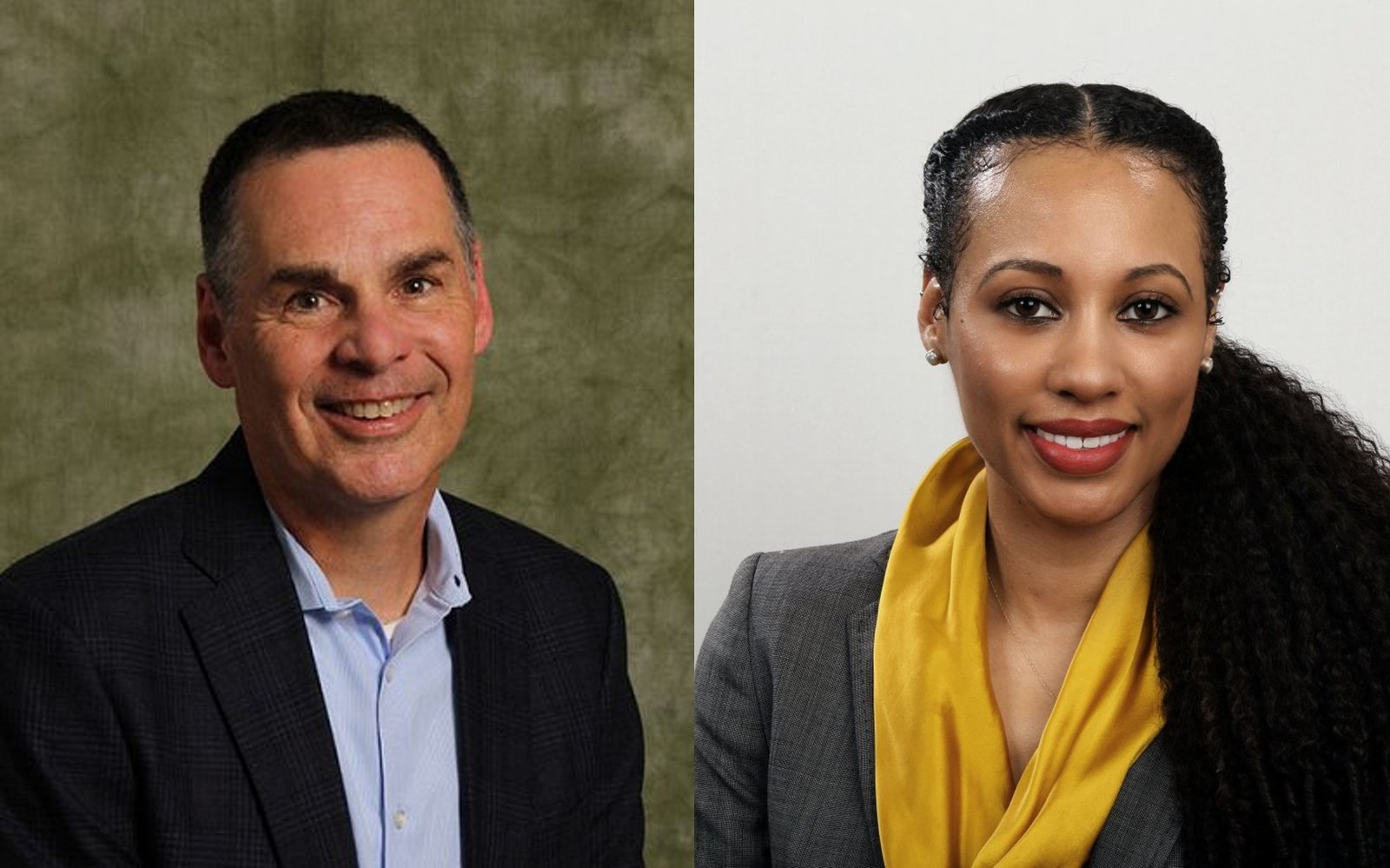
On the 100th episode of the Philanthropisms podcast we talk to David Campbell (Binghamton University, State University of New York) and Lindsey McDougle (Rutgers University – Newark) about their work on “Experiential Philanthropy” and using giving as a teaching tool.
Including:
 What is experiential philanthropy?
- What are some of the different models for delivering EP courses?
- Is EP primarily a way of learning about philanthropy, a tool for learning about other subjects, or a means of promoting active citizenship?
- Do EP courses tend to give participants a primer on what philanthropy is first (i.e. key concepts, approaches, issues etc), or leave it up to them to find their own answers through participation?
- Are there constraints on what participants can give to? (i.e. in terms of geography, cause area or types of organisations?
- Does this ever cause problems? (E.g. if students want to give to more political causes, or to unregistered groups)?
- What sorts of decision-making do groups use? How do they decide how to decide?
- Is “philanthropy” a helpful term for these kinds of courses, or does it bring connotations that might frame things in unhelpful ways?
- How does taking part in an experiential philanthropy course change students’ perceptions of philanthropy? Does it make them more, or less, critical?
- Are participants more likely to have higher levels of trust in nonprofits, or to view them more positively?
- Do students go on to support or volunteer for nonprofit organisations they find out about during experiential philanthropy courses?
- Do the nonprofits that receive funding via an experiential philanthropy program know that that is where the money has come from? What is their perception of this?
- Where does the money that is being given away usually come from?
- Does the fact that it isn’t “their money” affect participants attitudes towards giving it away?
- What is the main motivation for foundations or philanthropic funders supporting the development and delivery of experiential philanthropy courses?
- Has the renewed interest in civic engagement and participation in recent years, in light of concerns about political polarisation and division, led to any increase in funders looking to support experiential philanthropy?
Further Resources:
- Lindsey’s personal website
- David’s Binghamton University profile page
- Lindsey’s articles “On Teaching Philanthropy” and “Can Philanthropy be Taught?“
- David’s articles, “The experiential philanthropy canon: What students read in
experiential philanthropy courses and why it matters” and “Practicing philanthropy in American higher education: Cultivating engaged citizens and nonprofit sector professionals“ - WPM article “Language Barriers: is the way we talk about philanthropy and civil society holding us back?“
- Philanthropisms podcast interviews with Natasha Friend & Maria Ahmed, and with David Clarke.
