


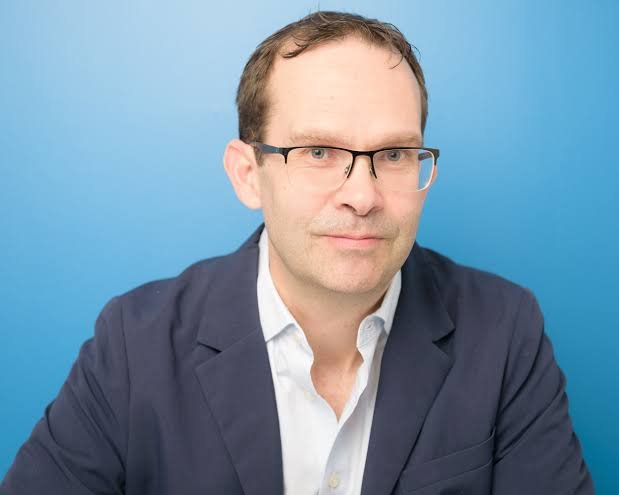
On this episode of the Philanthropisms podcast we hear from Michael Jarvis, Executive Director of the Trust, Accountability and Inclusion Collaborative, about the challenges and opportunities for global philanthropy in a post-USAID world.
Including:
 How are funders responding to the withdrawal of USAID funding?
- Is there any sense in which this crisis also present an opportunity to make fundamental changes to our models of aid and development that many have been arguing for over many years?
- Why have we seen such remarkable growth in the scale and profile of Asian Philanthropy in recent years? What is driving this?
- Do the philanthropic norms, narratives and practices that are emerging in some of the new centres of power in Asia differ from those that have dominated in the UK, US and Europe? In what ways?
- How much of the philanthropy that is emerging is domestically-focussed versus looking outwards? Will this change in coming years?
- Should Asian philanthropy have a larger voice in global development and governance conversations?
- Is Asian philanthropy currently more likely to be aligned with government priorities? What does this mean in terms of engaging with it?
- Where are we seeing other centres of philanthropic power emerge beyond Asia? How do these compare in terms of scale and characteristics?
- Is the landscape of global cross-border funding going to become much more genuinely global?
- Will this blur some of the boundaries that have traditionally been perceived between “donor” and “recipient” countries?
- What needs to be done to ensure that we maximise the value of future philanthropic globalisation?
- What is the relationship between transparency and trust? Is it as simple as “more transparency = more trust”, or is it more nuanced than that?
- When it comes to risk, is the role of an intermediary like TAI to reduce the risk for funders, or to help them shift their own risk tolerance so they can fund directly in future?
Further Resources:
- TAI Collaborative website
- Michael’s comment piece in Billionaire magazine, “In a Post-Aid World, Billionaires Must Lead the Way“
- Michael’s piece in Professional Wealth Management, “Investing in the democratic dividend“
- Michael’s piece for Alliance (with Yery Menendez Garcia), “The new frontlines of democracy“
- WPM article, “Philanthropy at a time of chaos“
- Philanthropisms podcasts with Emily Teitsworth; Dr Xanthe Scharff; Rachael Jarosh and Suzanne Ehlers;and Sarah Jeffrey, Victoria Tayler and Lonnie Hackett.