


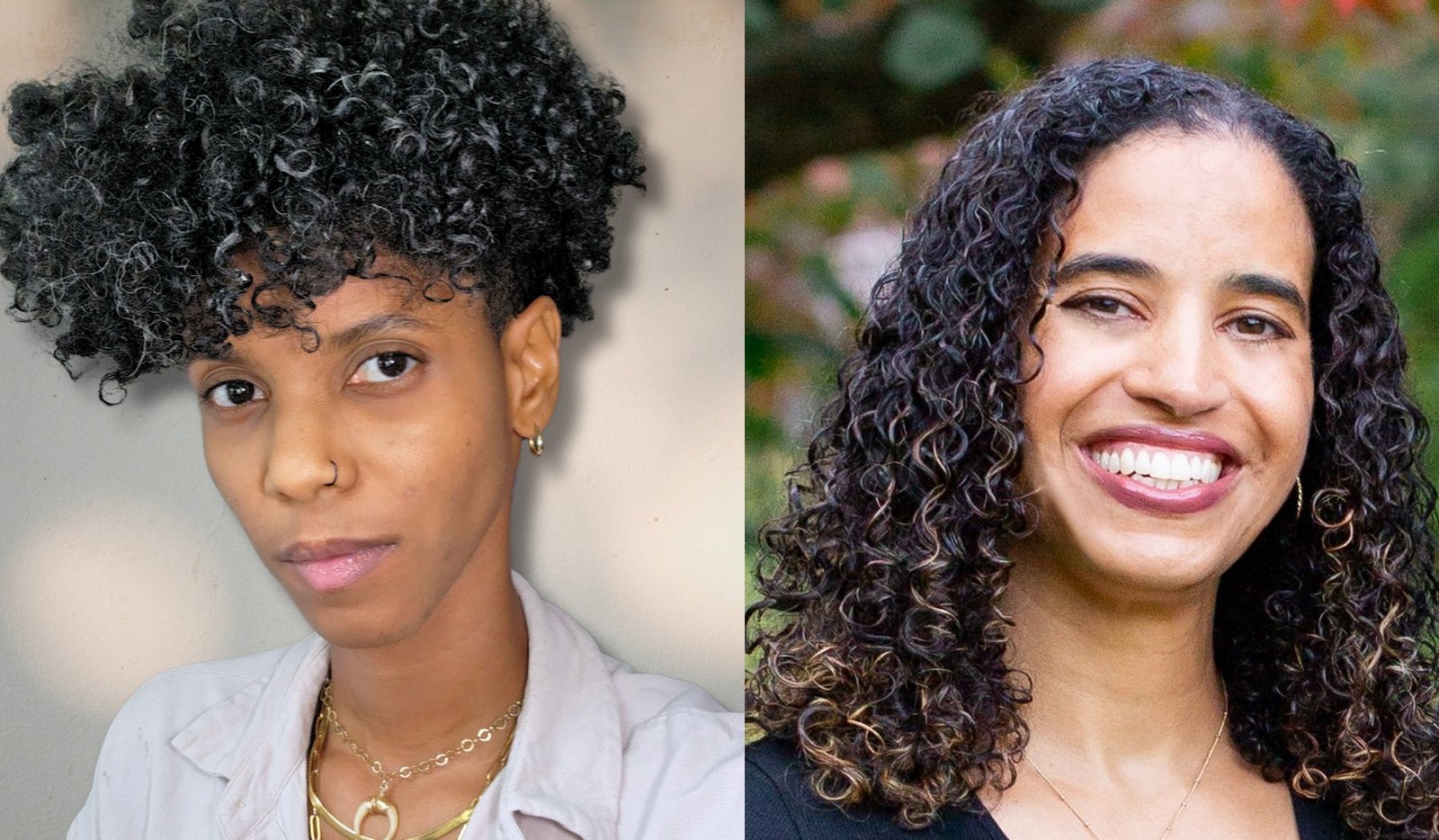
For the second episode in our Philanthropisms podcast “Myths of Philanthropy” series, Rhodri and Chiara are joined by élysse marcellin (Whose Knowledge?) and Tesmeralna Atsbeha (philanthropic strategist & advisor, formerly Wellspring Philanthropic Fund) to discuss presumed knowledge.
Including:
 Why do we equate wealth with expertise across a broad range of domains, and why is this a mistake?
- Do we also make judgements about those who do not have money (i.e. that they have less knowledge or less capacity to absorb funding)?
- To what extent does the way in which a wealthy donor has made their money inform and shape their view about the role of philanthropy and how to practice it?
- How can donors approach their philanthropy with a suitable degree of humility?
- Are those who work in foundations also guilty of equating their position in relation to wealth with expertise in addressing issues? How can we get out of this mindset?
- Does this require understanding and re-evaluating our own attitudes to money?
- Does prioritisation of certain kinds of knowledge act as a barrier in philanthropy? How is this reflected in grant application processes, funding decisions etc?
- What role does language play in marginalising certain forms of knowledge (especially indigenous knowledge)?
- What does it look like for a philanthropic organisation to demonstrate that it genuinely values a wide range of different forms of knowledge?
Further Resources:
- élysse’s “Myths of Philanthropy” essay (with Cassie Denbow and Anasuya Sengupta), If You Know You Know: What If Philanthropy is Mistaking Wealth for Expertise?
- Tesmerelna’s “Myths of Philanthropy essay”, Reconsidering Our Relationship to Power: What If Philanthropy’s Greatest Resource Isn’t Financial but Relational Capital?
- Liberatory Archives and Memory, a project by Whose knowledge?
- WPM articles, “Three currencies that are more important than money for philanthropy” and “Language Barriers“
