


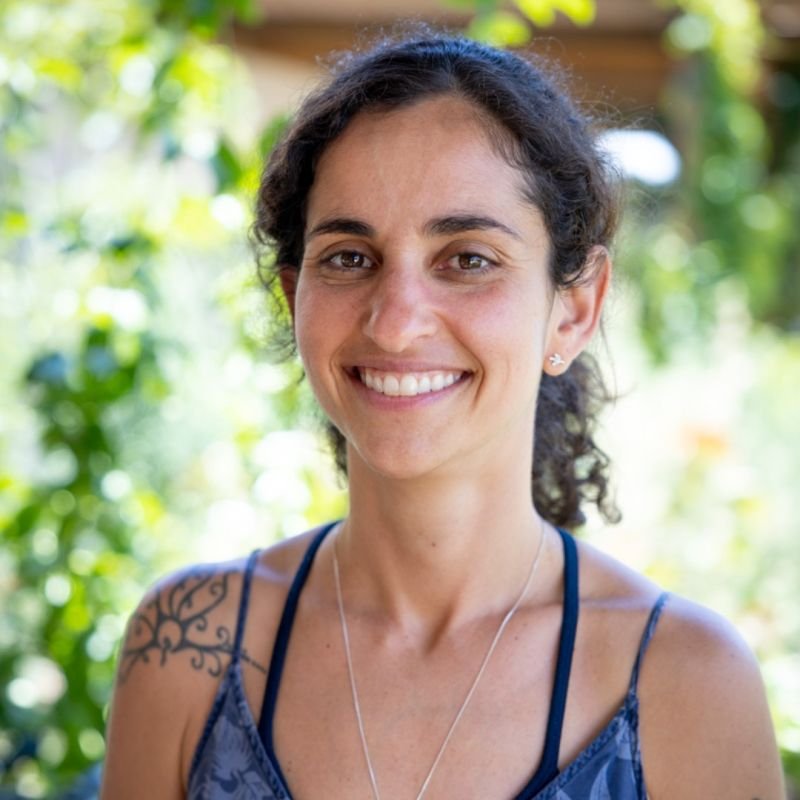
On this episode of the Philanthropisms podcast we hear from Renata Minerbo, co-founder and Head of Philanthropy at Be The Earth Foundation, a family foundation focussed on the environment and social justice.
Including:
 How did Be The Earth come about?
- How does Be The Earth implement a trust-based approach to grantmaking?
- How do you ensure that a trust-based approach doesn’t risk becoming exclusionary? (i.e. that you aren’t limiting your scope to organisations and individuals you already know and trust, but constantly widening the circle?)
- Why is it so important for Be The Earth that investments are made according to the same principles that drive philanthropic work?
- What does it mean to have a “closed loop” model of investing? Is it always straightforward to decide whether to support something as an investment or as a grant? How do you decide in edge cases?
- How can donors/funders approach their work with a suitable degree of humility?
- How can funders and nonprofits overcome the scarcity mindset themselves, and how can they help the organisations they fund to do so?
- Is it helpful to talk about Next Gen philanthropy?
- How can philanthropic funders collaborate with each other more effectively
- How does Be The Earth use pooled funds as a way of achieving its mission?
- Why is convening events and gatherings such an important part of Be The Earth’s work?
- What is flow funding and how does it work?
Further Resources:
- Be The Earth Foundation
- “How Can Wealth Regenerate Ecosystems?”
- Be Hive London and Be Hive Cape Winelands
- Be The Earth’s impact investments
- WPM, “Three currencies that are more important than money for philanthropy” and “Why Isn’t All Philanthropy Trust-Based Philanthropy?“
- Philanthropisms podcasts featuring élysse marcellin & Tesmerelna Atsbeha; Sonal Patel; Natasha Friend and Maria Ahmed; and Kate Symondson.
